

How long does it take to build a website in Australia?
For most small and medium Australian businesses, a new website typically takes around 4 to 8 weeks from kickoff to launch. A site built from a premium template can be quicker, and a custom ecommerce store or a site with bookings and integrations usually takes longer. The build itself is rarely the slowest part. Content, feedback and approvals are what stretch timelines.
At Leed Agency, a website design and Google Ads studio in Cronulla in Sydney's Sutherland Shire, we build on Webflow and Shopify for businesses across Australia. Below are typical ranges by project type, what slows projects down and how to keep yours moving.
What are typical website timelines by project type?
These are typical ranges across the Australian market, assuming content and feedback arrive on time. Every project is different, so treat them as a guide rather than a quote.
- Single landing page for Google Ads or a campaign – Typical timeline: 1–2 weeks; What drives it: Copy, offer and tracking setup
- Template-based small business site (5–10 pages) – Typical timeline: 2–4 weeks; What drives it: Content readiness and how much the template changes
- Custom-designed service business site – Typical timeline: 4–8 weeks; What drives it: Design rounds, number of page types, copywriting
- Ecommerce store – Typical timeline: 6–10 weeks; What drives it: Product data, photography, shipping and payment setup
- Custom site with bookings or integrations – Typical timeline: 8–12 weeks or more; What drives it: Third-party systems, testing, data migration
- Redesign of a large existing site – Typical timeline: 8–16 weeks; What drives it: Content audit, redirects, approvals across a team
What happens at each stage of a website build?
Most well-run projects follow a similar shape. Ours has three steps.
1. Planning
We agree on what the site needs to do (calls, quote requests, bookings or sales), who it's for, which pages it needs and which platform suits it, usually Webflow for lead-focused sites and Shopify for online stores. We map the sitemap, list the content required and confirm the scope in writing. A clear plan is the biggest time-saver in the whole project.
2. Design & Development
We design the key pages first, usually the home page and a main service or product page, and get your feedback before designing the rest. Once the design is approved, we build the site, connect forms, bookings or checkout, load content and set up the SEO basics: page titles, meta descriptions, alt text and redirects from any old site. Then we test on phones, tablets and desktops.
3. Launch & Growth
We connect the domain, submit the sitemap to Google Search Console, check tracking and go live. Launch isn't the end: we provide ongoing support after launch, and for clients who also run Google Ads, real enquiry data helps us improve pages over time.
What slows website projects down?
In our experience, delays rarely come from design or development. They usually come from:
- Content that isn't ready. Page copy, team bios, service descriptions and photos are the most common hold-up.
- Slow or scattered feedback. Comments from several people in separate emails, sometimes contradicting each other.
- Scope that grows mid-project. A new section or feature after design sign-off adds design, build and testing time.
- Account access. Domain registrar, DNS, old hosting and Google accounts that nobody can log into.
- Product data for stores. Missing prices, variants, weights or photos for an ecommerce catalogue.
- Third-party systems. Booking platforms, payment gateways and CRMs that need their own setup or approval.
- Compliance wording. Health, finance and some trade businesses need copy checked against their industry's advertising rules before launch.
How can you speed up your website project?
- Name one decision-maker who gathers feedback and sends a single, consolidated reply.
- Start content early. Write or gather copy and photos during planning, not after design.
- Collect logins up front: domain, DNS, hosting, Google Analytics, Search Console and any booking or payment accounts.
- Agree on scope in writing and park new ideas for a second phase after launch.
- Book feedback time in your calendar as soon as the timeline is set.
- Consider a template if speed matters more than a fully custom design.
Is a faster website build a worse website?
Not necessarily. A premium template that's properly customised with your own content, photos and branding can be a strong, fast-loading site that ranks and converts. Custom design takes longer because each layout is designed from scratch for your business, which makes sense for brands that need to stand apart or sites with unusual requirements. We offer both, a library of 100+ premium templates or a fully custom build, so the timeline and budget suit the business.
Should you launch Google Ads at the same time as your website?
If you need enquiries quickly, it often makes sense. A new site can take time to build organic rankings, while Google Ads can send targeted traffic from launch day. Dektek Roofing is a good example: their lead-focused roofing site launched alongside Google Ads, and the campaign brought in jobs from the first month. The key is planning landing pages and conversion tracking during the build, not afterwards. Our Google Ads page explains how we approach it.
Where Leed Agency fits
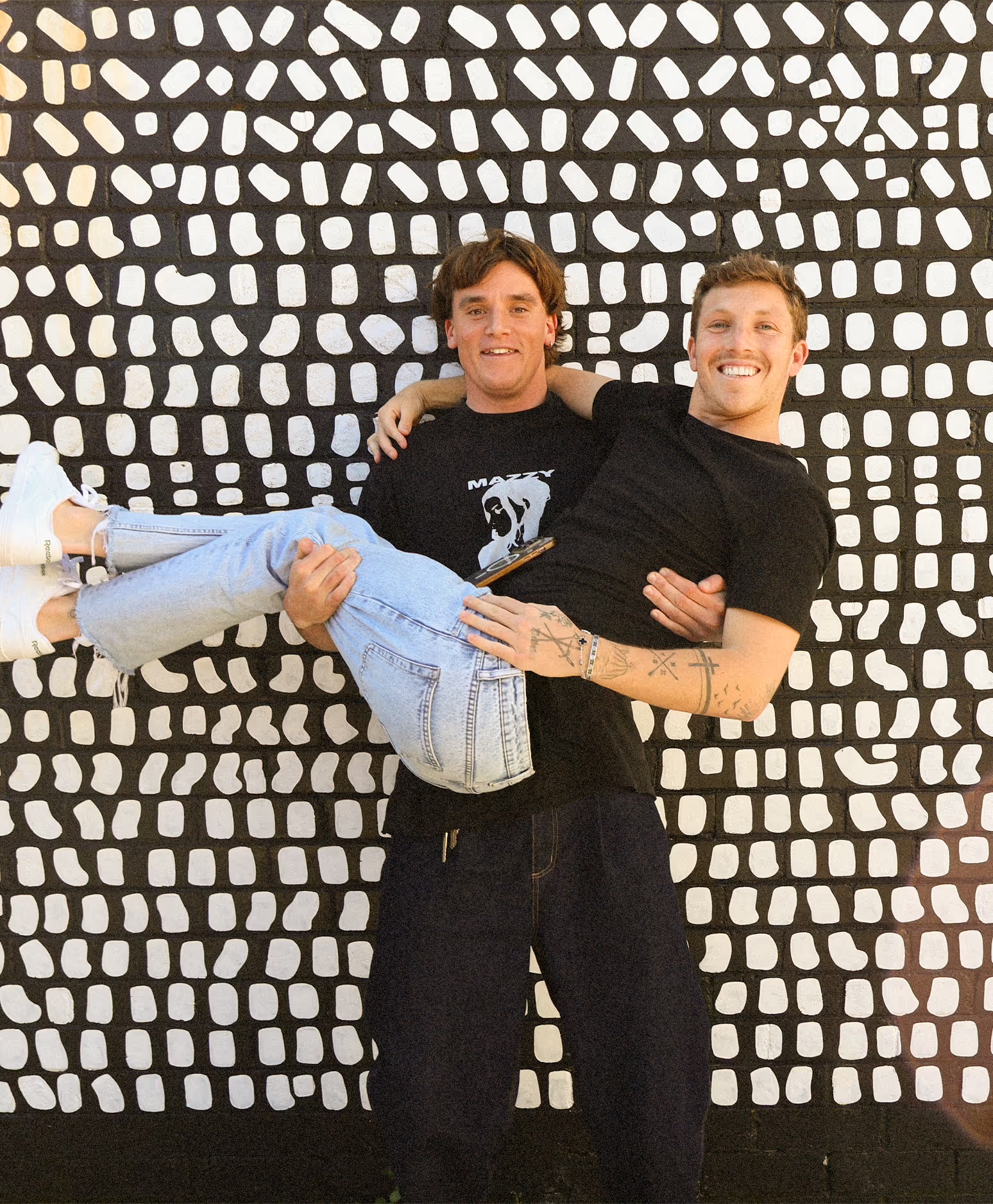
Leed Agency is a small team at 26 Surf Ln, Cronulla, working with businesses across Sydney and Australia-wide over video calls and shared boards. Bailey leads design and web and James Magree runs Google Ads, and clients deal directly with us rather than a junior account manager. We've completed 97+ projects for 86+ clients, including Coast Getaways on the NSW Central Coast, Grant Co. in the Shoalhaven and Rural Inputs WA in Western Australia. Every project is quoted after a free consultation, and the timeline depends on the scope we agree. See our website design process and success stories, or request a quote for your project.
"He carefully listened to all our requirements and built us a modern and reliable website in a short period of time." – Evgeny Fridlis, Sydney NSW
Frequently asked questions
How long does a small business website take to build in Australia?
A small business website typically takes around 4 to 8 weeks from kickoff to launch. A lightly customised template site can often be ready in 2 to 4 weeks if content is prepared.
What is the slowest part of building a website?
Usually content and feedback, not design or development. Having copy, photos and account logins ready before the build starts is the most effective way to shorten a project.
How long does it take to build a Shopify store?
A standard Shopify store typically takes around 6 to 10 weeks. The main factors are the number of products, the quality of product data and photos, and shipping and payment setup.
Can a website be built in a week?
A single landing page or a lightly customised template can sometimes be ready in one to two weeks if the content is ready. A full multi-page site usually needs longer to do properly.
Does Leed Agency provide support after a website launches?
Yes. Leed Agency's process runs Planning, Design & Development, then Launch & Growth, which includes ongoing support after launch, and the Cronulla-based team can also manage Google Ads alongside the site.




.png)

